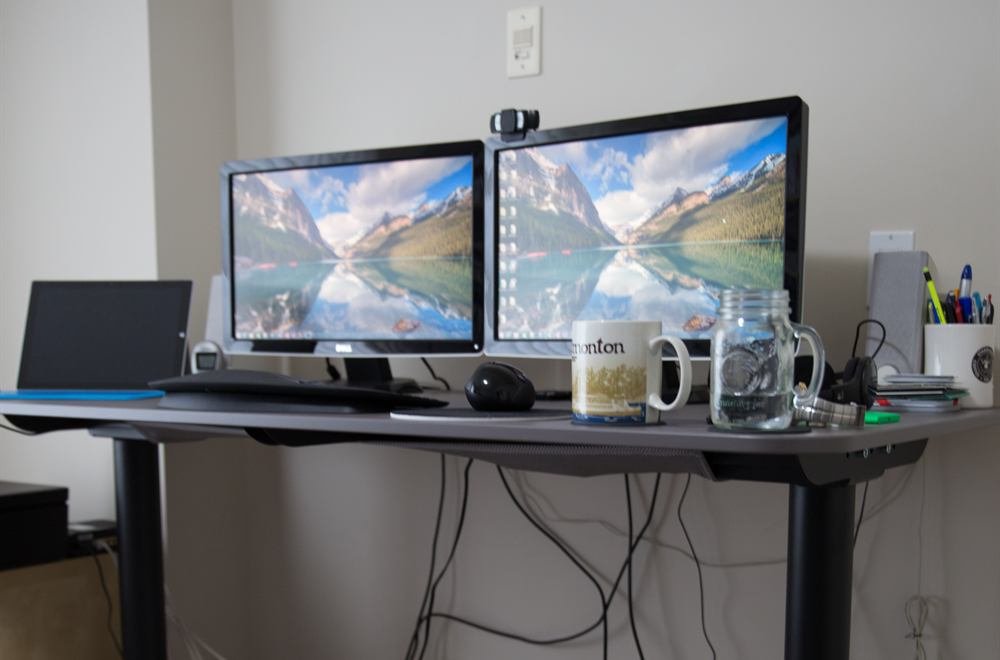
"Sitting is the new smoking" sold an awful lot of standing desks. It's also a big overstatement. If you're weighing up whether a sit-stand desk is worth the money, the useful question isn't "is standing healthy?" — it's "will this actually change how I work?" Here's the honest answer.
The hype, minus the marketing
The pitch is that prolonged sitting is bad for you, so standing must be good. The first half is broadly true; the second doesn't follow. Studies that simply swapped hours of sitting for hours of standing found small health payoffs — and prolonged standing brings its own problems. The thing that actually helps isn't the posture, it's the switching. A standing desk is valuable because it makes changing position easy, not because standing is magic. We dig into the head-to-head in standing desk vs sitting.
The honest benefits
- Less prolonged sitting. The real win — you break up the long static stretches that make sitting uncomfortable.
- More energy and alertness. Many people feel less of the mid-afternoon slump when they stand for part of it.
- Less back and neck discomfort for some — provided the desk is set to the right height (most people set it wrong).
- It nudges you to move. The single biggest benefit is behavioural: a desk that changes makes movement the default.
Standing burns only marginally more energy than sitting — you won't lose weight at your desk. Treat "calories burned standing" claims as noise.
The honest drawbacks
- Standing all day is also bad. Prolonged standing causes leg and foot fatigue, lower-back load and varicose-vein risk. The goal is alternation, not martyrdom.
- Cost. A good motorised sit-stand desk isn't cheap, and the cheap ones can be wobbly at standing height.
- You have to actually use it. Plenty of standing desks live permanently in the sitting position. If you won't switch, you've bought an expensive normal desk.
- Setup matters. Standing badly — screen too low, wrists bent — is worse than sitting well.
Who a standing desk is worth it for
Worth it if you sit for long stretches, get stiff or sore by the afternoon, and know you'll genuinely alternate. Probably not worth it if you're on a tight budget (a cheap desktop riser or even a box lets you test the habit first), or if you know yourself well enough to admit you'll never press the button. The honest test is behavioural, not medical: buy it if it will get you moving.
If you do buy one
Get the setup right or the benefits evaporate:
- Elbows at ~90°, forearms parallel to the floor when standing relaxed.
- Top of the monitor at or just below eye level — see our monitor position guide.
- An anti-fatigue mat — it helps more than you'd expect.
- Start with short standing spells and build up; aim to alternate rather than commit to either extreme.
The verdict: a sit-stand desk is worth it for most desk workers — but buy it for the right reason. It's a movement prompt, not a health cure. Pair it with a good chair for the sitting half, set both to the right height, and get up regularly regardless. The healthiest desk is simply the one you don't stay frozen at.
Frequently asked questions
Are standing desks actually worth it?
For most desk workers, yes — not because standing is a health cure, but because it makes movement the default and reduces the discomfort of sitting still all day. Buy one if you'll actually alternate; if you just swap eight hours of sitting for eight of standing, the benefit is small.
Do standing desks help you lose weight?
Barely. Standing burns only slightly more energy than sitting — a handful of extra calories an hour — so a standing desk won't meaningfully change your weight on its own. Its real value is comfort, alertness and less prolonged sitting.
How long should you stand at a standing desk?
Aim to alternate — roughly a 1:1 to 2:1 sit-to-stand ratio, about 5 to 15 minutes of standing for every 30 to 60 minutes seated. Build up gradually; standing for hours on day one just trades a sore back for sore feet.