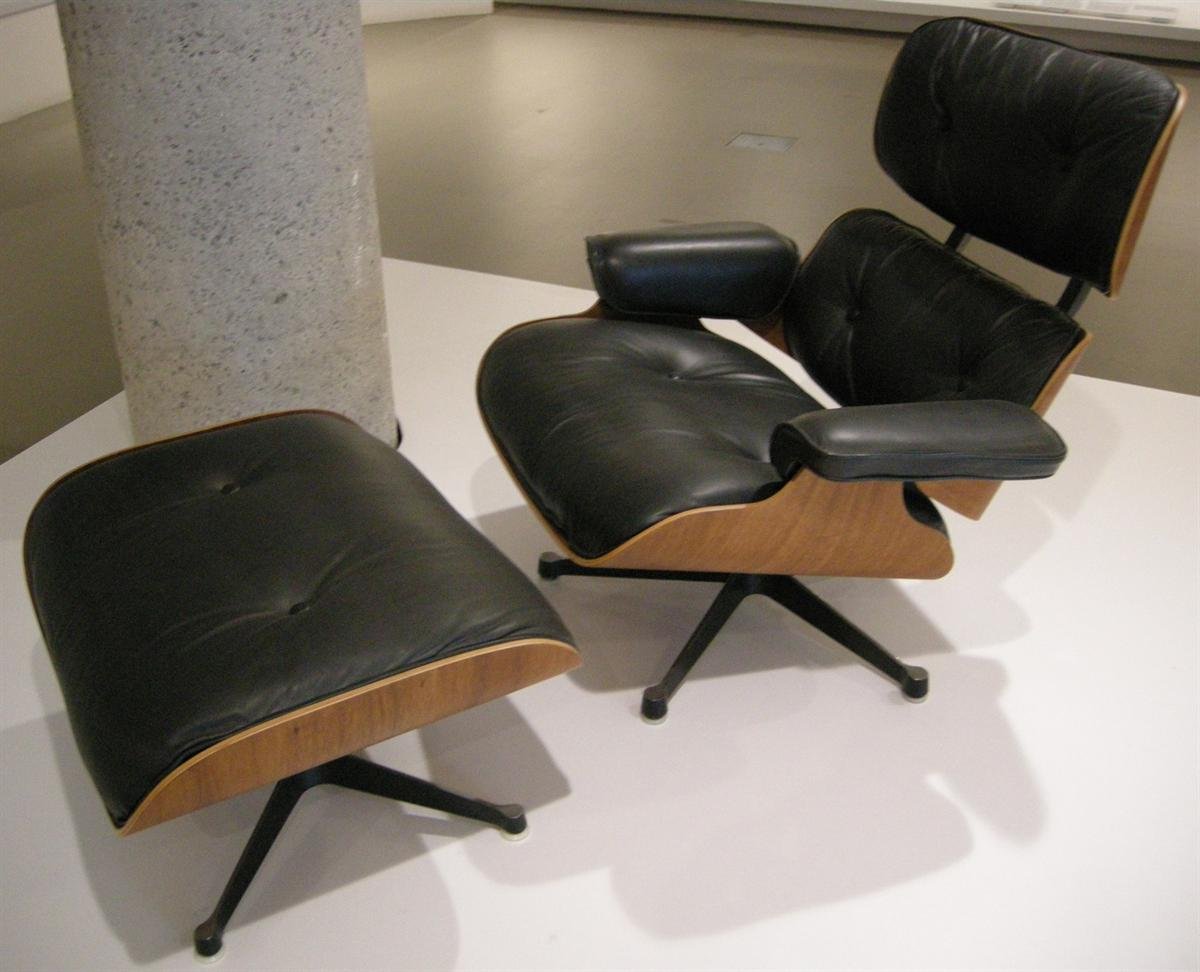
Mid-century modern has outlasted every design trend that followed it for one simple reason: the people who defined it — Charles and Ray Eames, George Nelson at Herman Miller, the Danish cabinetmakers — were solving the same problem you have now. How do you make a working object that's comfortable, honest, and good enough to live with in the open? Seventy years on, their answers still hold.
Why mid-century still works for a home office
The style was born for exactly this moment. Post-war homes were smaller and more open-plan, so furniture had to look good from every angle and earn its footprint. That's the modern home-office brief precisely: a desk that has to sit in a living space and still look intentional. Mid-century pieces were designed to be seen in the round — which is why a walnut desk or a molded chair reads as considered in a corner where a bulky office set would look like an intrusion.
The best furniture doesn't announce that you're working. It just quietly lets you.
The pieces that carry the look
You don't need a roomful of icons. Three moves do most of the work:
A warm-wood desk with tapered legs
Skip the black rectangle. A desk in walnut, teak or warm oak — ideally with slim, splayed or tapered legs — is the single biggest signal of the era. The legs matter more than you'd think: they lift the piece visually and stop it feeling heavy.
A molded or sculpted chair
The Eames molded shell chair is the shorthand here, but any chair with an organic, single-curve seat works. It's comfortable without upholstery to wear out, and its silhouette does the styling for you.
One reading chair to think in
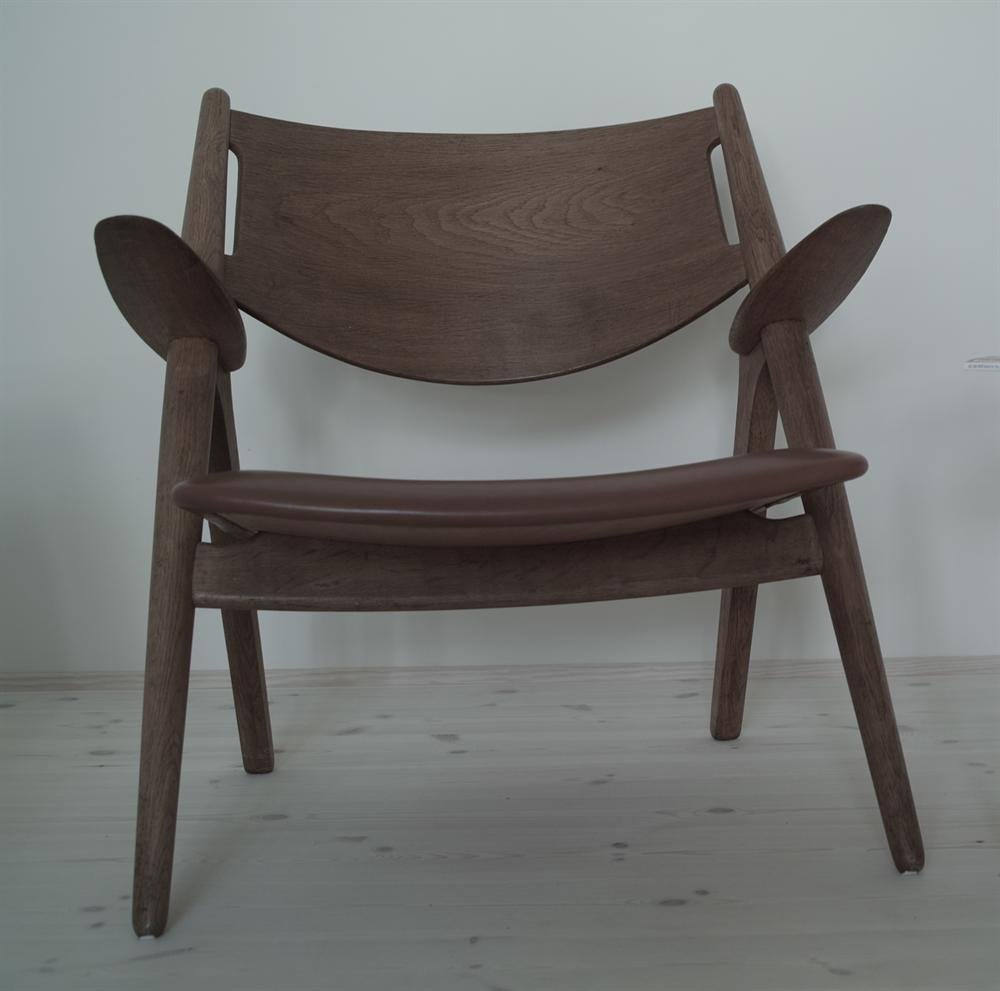
If the room allows it, a lounge chair in the corner — an Eames 670, or any low leather-and-wood armchair — turns a workspace into a study. It's where the calls, the reading and the thinking happen, away from the screen. It's the piece people remember.
The palette and materials
Mid-century colour is confident but disciplined. Keep the big surfaces — walls, desk, floor — in warm neutrals: oat, plaster, walnut, soft white. Then commit to one or two period accents and let them do all the talking: mustard yellow, teal, burnt orange, olive, or a dusty rose. A single ochre lamp against a neutral wall is more convincingly mid-century than a rainbow of "retro" colour.
On materials, the rule is honesty. Real wood left as wood. Wool, leather and cork that age into the room rather than out of it. The era distrusted anything pretending to be something it wasn't — no wood-effect laminate, no plastic doing an impression of metal.
Stand in the doorway. If more than two saturated colours are fighting for attention, remove one. Mid-century warmth comes from restraint, not from filling the room with "atomic" prints.
Layout: warmth without clutter
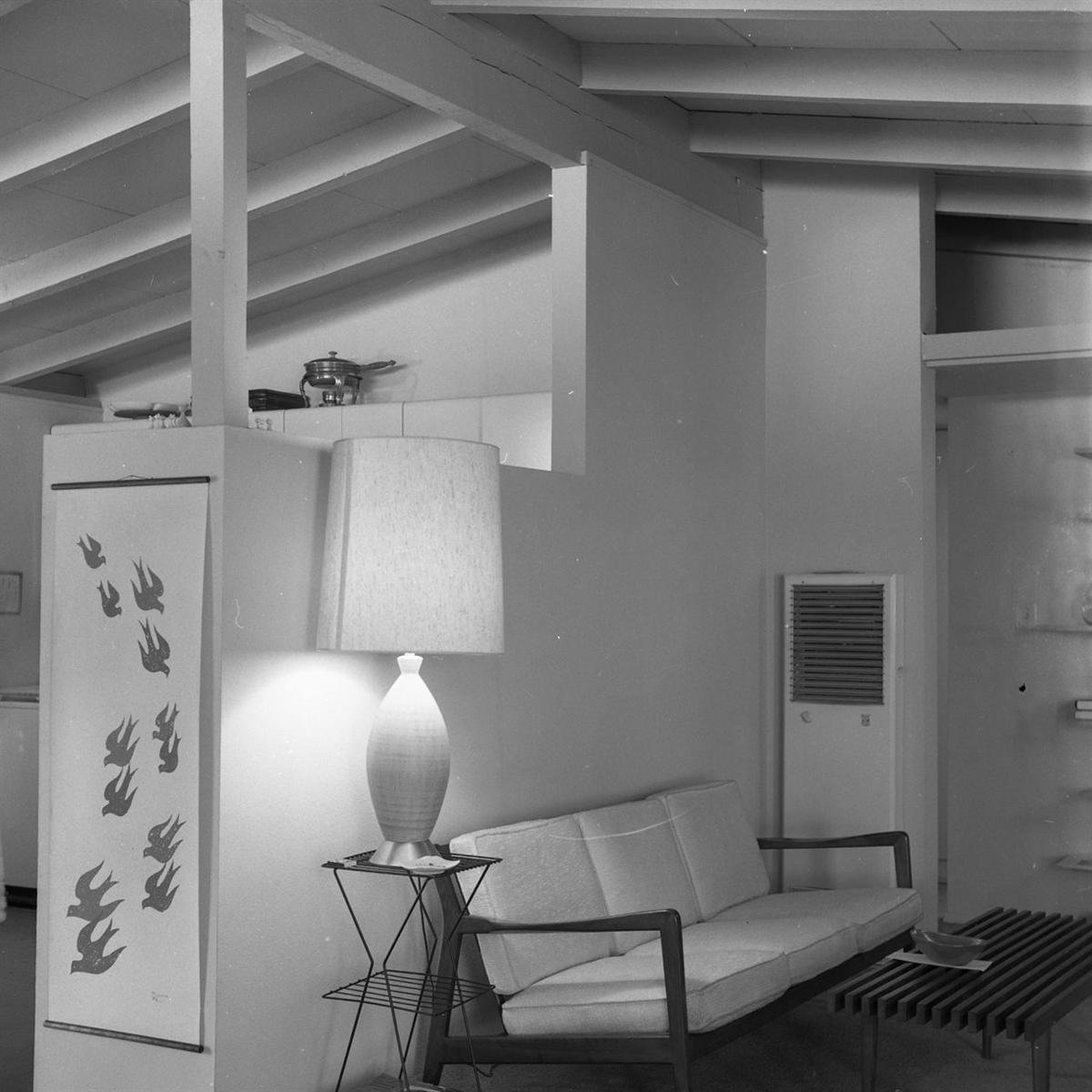
The open-plan house that birthed this style also demands its discipline. Because the desk lives in view, storage has to be closed and low: a long, low sideboard or credenza is the era's signature piece and hides everything a modern office generates. Float the desk so you can see the legs and a little floor beneath it — that negative space is what keeps a warm, wooden room from feeling heavy.
Getting the look on a budget
- Buy vintage, not reproduction. A real teak desk from the 1960s often costs less than a new "mid-century inspired" flat-pack — and it will outlast it.
- Spend on the chair, save on the desk. The chair touches you all day; a solid second-hand desk needs only to be the right wood and the right legs.
- Swap the legs. Tapered wooden or hairpin legs on a plain top is the cheapest convincing shortcut there is.
- Add one authentic object. A period ceramic, a Nelson-style clock, a single good lamp — one real thing anchors a room of honest substitutes.
Do that, and you end up with what the Eames studio was really after: not a period set-piece, but a warm, humane place to work that happens to look wonderful. The style was never about nostalgia. It was about getting the everyday objects right — which is exactly what a home office is made of.
Frequently asked questions
What makes a home office mid-century modern?
Warm woods like walnut and teak, tapered legs, moulded or organic shapes, a restrained palette of warm neutrals with one or two saturated accents, and honest materials left as themselves rather than painted over.
Do I need real Eames or Herman Miller furniture?
No. The look comes from silhouette, material and restraint, not brand. One authentic hero piece can anchor a room, but a well-made walnut desk and a molded shell chair capture the spirit at any budget.
What colours work in a mid-century home office?
Keep the large surfaces in warm neutrals — oat, plaster, walnut — then add one period accent such as mustard, teal, burnt orange or olive through a chair, lamp or textile.