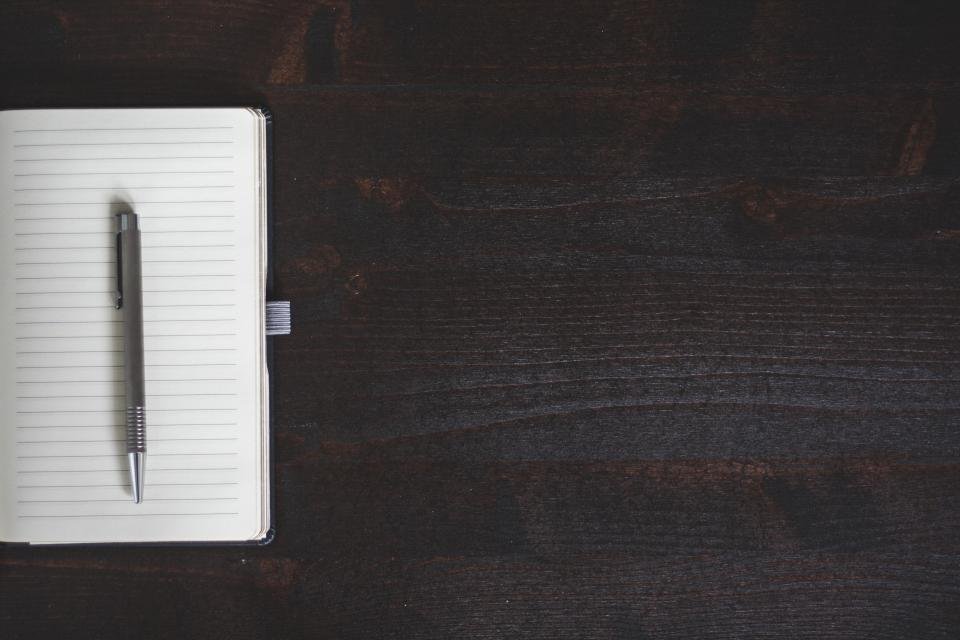
"Minimalist" gets confused with "empty," and that's why so many pared-back offices feel like waiting rooms. Done properly, minimalism isn't about owning less for its own sake — it's about removing everything that isn't pulling its weight so the few good things can breathe.
What minimalist actually means
The test for every object is simple: do you use it most days? If yes, it can earn a place on the surface. If no, it goes in a drawer or on a shelf. Minimalism is a subtraction you keep doing, not a style you buy — and it's the same discipline behind our whole approach to designing a home office.
Clear the desk (and keep it clear)
The desk is the whole game. Aim to leave only:
- Your screen and keyboard, monitor raised to eye level.
- A mat to define the working edge and quiet the surface visually.
- One notebook and a pen.
- One personal object — and that's the lot.
Everything else — chargers, stationery, paperwork — gets a home in closed storage. Open shelves photograph well but read as clutter; a single drawer or cabinet keeps the eye calm. A clear desk isn't a daily battle if the stuff has somewhere to live.
A palette that does the work
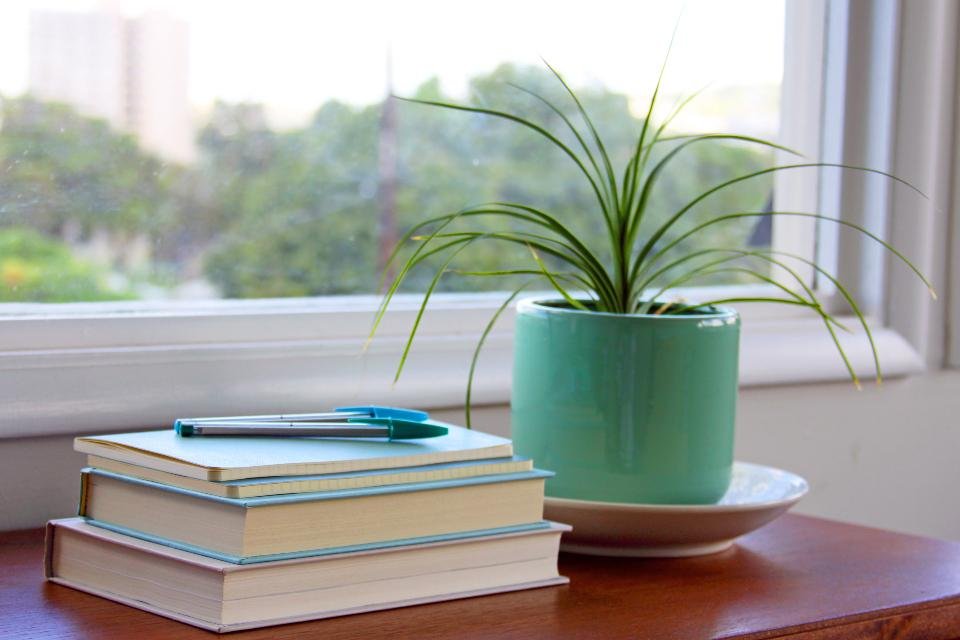
Minimalism lives or dies on colour discipline. Hold the room to one warm neutral for the big surfaces — oat, plaster, pale wood — and add a single accent through one object. When nothing is shouting, the eye relaxes, which is the entire point. Texture then does the heavy lifting: matte plaster against smooth wood, wool against metal, keeps a quiet palette from reading flat.
Hide the technology
Nothing wrecks a minimal desk faster than a nest of black cables and blinking bricks. Route the power down one leg, charge things out of sight, and choose the shortest cables that reach — the full method is in our cable-management guide. A clean surface is, nine times out of ten, a hidden-cable problem someone solved once.
The one warm detail
Here's the rule that saves minimalism from coldness: once the function is right, add back exactly one thing that exists purely for you — a ceramic, a plant that's outlived three laptops, a single framed photo. It's the difference between a minimal room and a lifeless one, and it costs nothing but the restraint to stop at one.
Clear the desk, hold the palette, hide the tech, keep one warm object: that's a minimalist home office that feels calm and lived-in rather than empty and unloved.
Frequently asked questions
How do I make my home office look minimalist?
Clear the desk of everything you don't use daily, give the rest a home in closed storage, hide the cables, hold the palette to one neutral plus one accent, and leave a single personal object on show. Minimalism is a subtraction, not a shopping trip.
What should be on a minimalist desk?
Only what you touch most days: your screen and keyboard, a mat to define the edge, one notebook, and perhaps a single plant or object. Everything else lives in a drawer or on a shelf.
Does a minimalist office have to feel cold?
No. Warm materials — wood, wool, a plant, soft light — and one personal object keep a pared-back room from feeling like a hotel. Minimal means few things chosen well, not empty.