"Soundproofing" is really two different jobs, and mixing them up is why people waste money. Sort out which one you actually have and most of the fix turns out to be cheap — often free.
First, know which problem you have
- Echo (reverberation) — your own room sounds hard, hollow and tinny on calls. Caused by bare walls, floors and windows bouncing sound around. Fixed by absorbing.
- Transmission — noise from outside the room (traffic, family, the street) gets in, or your calls leak out. Fixed by blocking and sealing.
Absorbing is easy and cheap. True blocking is hard and expensive. The good news: for a home office, absorbing plus a bit of sealing solves the vast majority of complaints.
Absorb the echo (the easy 80%)
Every soft, porous surface you add soaks up reflections. You probably own most of these already:
- A rug on a hard floor — the single biggest, cheapest win.
- Curtains, ideally floor-length and a bit heavy. A bare window is a giant sound mirror.
- A bookshelf full of books — irregular, absorbent, and doubles as a room divider.
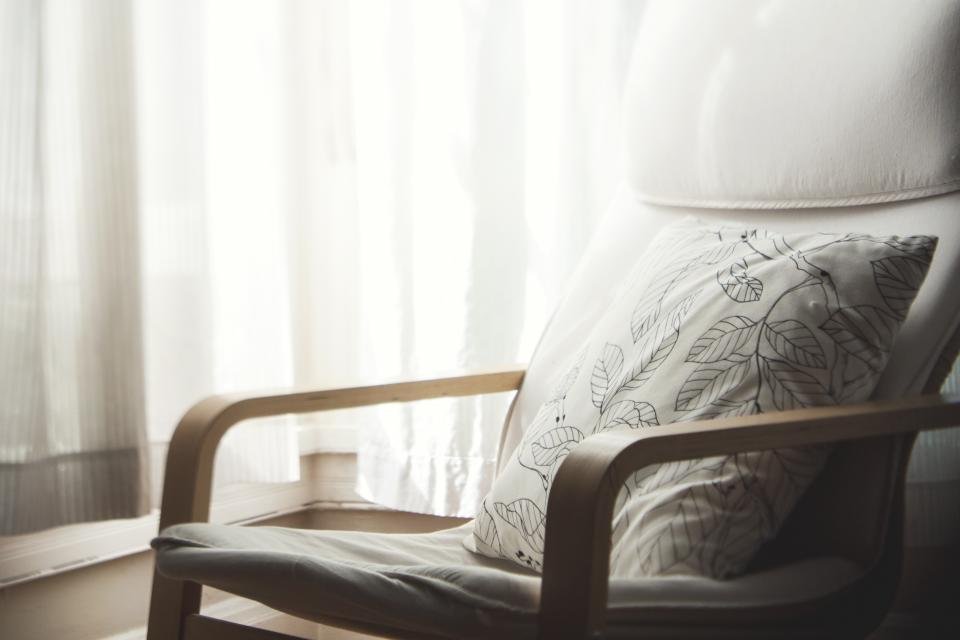
- Upholstered furniture — a fabric chair beats a hard one for the room's acoustics.
- Acoustic panels or foam, if you want to go further — mount a few on the wall behind you and the one you face on calls.
Stand in the middle of the room and clap once. If you hear a sharp ring or flutter afterwards, you have echo — add soft things until the clap sounds flat and dead.
Block noise at the door and gaps
Sound is like water: it pours through the smallest gaps. Before you touch a wall, seal the openings — this is where the cheap, high-impact wins are:
- Weatherstrip the door frame with self-adhesive foam or rubber seals.
- Add a draught excluder or door sweep along the bottom gap — often the biggest leak in the room.
- Upgrade a hollow door to solid-core if you can; it blocks dramatically more.
- Seal window gaps the same way, and heavy curtains help here too.
If it's coming through the walls
This is the hard, expensive end — and honestly, rarely worth it in a rented or normal home. If noise genuinely comes through a shared wall, the realistic moves are mass and distance: a full, heavy bookshelf against that wall adds mass cheaply; moving the desk to the quietest wall costs nothing. Proper solutions (a second layer of dense plasterboard on resilient channels) are a building job — reserve them for a dedicated studio, not a spare-room office.
Quiet your own noise, too
Half of "soundproofing" complaints are really about how you sound to others. A room treated for echo already transforms your call audio. Add a headset or a separate mic instead of the laptop's built-in one, which hoovers up the whole room, and you'll sound close and clear — the acoustic equivalent of good video-call framing.
Rug, curtains, a full bookshelf, sealed door gaps, and a proper mic: that's a genuinely quiet home office for the price of a nice dinner, no builder required.
Frequently asked questions
How can I soundproof a home office cheaply?
Start with soft furnishings you may already own — a rug, curtains, a bookshelf and an upholstered chair all absorb echo. Then seal the gaps around the door with weatherstripping and a draught excluder, which blocks a surprising amount of noise for a few pounds.
Do soft furnishings really reduce noise?
Yes, for echo. Soft, porous materials like rugs, curtains, fabric and books absorb sound reflections and stop a room sounding hard and tinny. They don't block noise passing through walls, but they make the room quieter to be in and better on calls.
How do I stop noise coming through the door?
The gaps around a door leak most of the sound. Add self-adhesive weatherstripping around the frame and a draught excluder or door sweep along the bottom. A solid-core door blocks far more than a hollow one if you can upgrade it.